Today Newsweek published an article on the keto (ketogenic) diet that I was included in for quotes. I had emailed the journalist my responses to her questions, so they were accurately written. However, it’s always challenging in an online article limited in space and interviewing various people to include all the nuances of a topic. There were points I’d wish she included, such as the argument from keto followers that the plan promotes fiber which I’ll address below.

I usually search a media source before agreeing to an interview to see journalistic accuracy, especially with health-related articles. Newsweek has a whole section on keto with personal stories from people doing keto, as well as some articles like the one today that interviews health practictioners and scientists. I think that’s fair because some people have found early success with keto for weight loss specifically when other eating plans have not worked. I wrote a keto article on this blog in 2018 as well as an earlier article on keto on the Nutrition Source. I’ve counseled many people choosing to do keto since 2018 when it became especially popular, so I’ve seen the longer-term outcomes if people can stay on keto and what their bloodwork over time shows in response to an extremely high-fat diet. My clinical experience pretty much mirrors what recent published research on longer-term keto shows: keto can lower blood triglycerides and blood sugar, and improve insulin resistance. It may decrease appetite-stimulating or “hunger” hormones, such as insulin and ghrelin so you don’t have constant cravings…at least in the beginning. It often improves hemoglobin A1c levels (a longer-term measure of blood sugar control). BUT it almost always causes a significant increase in LDL “bad” cholesterol and total cholesterol. It also increases HDL “good” cholesterol but that’s basically because the diet is so high in total fat. And the big question: can one stay on it? Research seems to show that the longer people follow the diet, compliance tends to drop (as with most restrictive diets). It also probably depends on the bias of the research authors: those who support keto will highlight that participants in their study had good compliance. You can google researchers’ names to see what their angle/focus is regarding nutrition.
Compliance with keto is no different than any other restrictive plan. You can’t follow it strictly for long because you’re not only removing all carbs like bread, pasta, rice, all grains, flour, most fruits, starchy vegetables, legumes, and most dairy, but you can’t eat that much protein. You’ve already removed protein foods like dairy and legumes because of the carbs, but you also have to moderate meat, fish, certain nuts, seeds, and eggs. You have to eat FAT and a lot at every meal. This is the one point people miss. Every social media post I see from someone doing keto has a big steak or chicken breast covering half the plate. Keto is NOT high protein! Keto is not Atkins. Your plate will more likely have a stick of butter and a whole avocado, some leafy greens, and a palm size of chicken. If you eat too much protein—more than your body can use that day—it is converted to carbohydrate and you will exit ketosis. From my clinical experience, some people who think they’re doing keto are actually eating mostly protein–they’re following low carb but also lower fat. So they lose weight from the severe macronutrient changes and in a month their hair starts to fall out. They’re not taking vitamins and they’re not regularly eating the plant foods they’re supposed to include on keto.
There’s so many wrong turns you can take with keto, especially if you do it on your own or just watch a TikTok video:

1) People fixate on eating saturated fat from bacon, sausages, cream, butter, oils AND too much protein and not eating the low-carb healthy vegetables, berries, and nuts/seeds that are allowed.
2) People limit the diversity in their food choices; eating from a limited menu especially if they are low-fiber foods can significantly change your gut microbiome for the worse. The good gut bugs living in our colon grow and thrive by eating the fiber foods we eat, and the more variety of fibers, the stronger your army of good gut bugs will be to keep our immune system robust. Fiber is a carbohydrate, and a very low-carb diet usually means low fiber unless you are trying very hard to include daily enough of the low-carb veggies, berries, and nuts/seeds allowed on keto.
In response to some of the Newsweek article comments here…
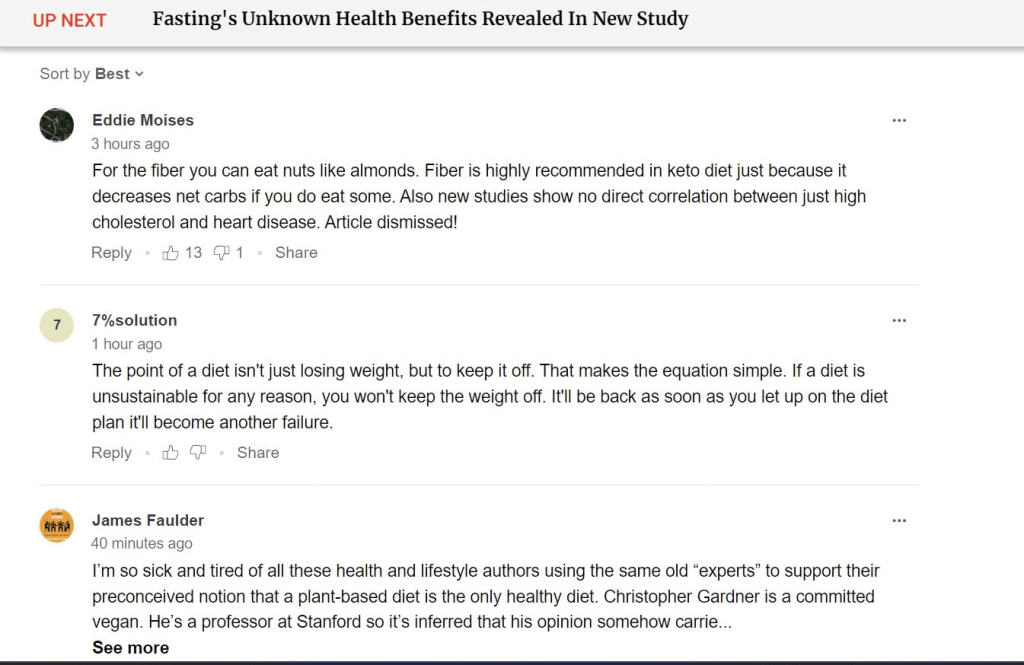
In response to Eddie, fiber may be recommended on keto, but that’s not what many people do and they likely won’t get enough to feed their gut microbiome. Again they’re focused on the protein, not on nonstarchy vegetables. And remember you can’t eat a lot of almonds, seeds, and berries that are allowed because you have to limit carbs and moderate protein. So to reach ~25-35 grams fiber daily you have to eat a ton of low-carb veggies, which interestingly will also add carbs. Example: You’d have to eat 6 cups of cooked spinach or 8 cups of boiled cauliflower to get 25 grams fiber but they also contain 40 grams carb. Even if you used the net carb amount (deducting fiber from total carb = 14 grams), it’s likely you wouldn’t eat that much volume of veggies every day. See how tricky it is? Inadequate dietary fiber will negatively change your gut microbiome, and having a robust thriving gut microbiome is a key to health. Which is my response to James above…if you followed nutrition research as long as we have and seen various eating plans tried with patients over the decades—seeing what works long-term and what doesn’t to improve overall existing disease and risk factors (not just weight)—you would become a plant-eater as well. I guarantee it.
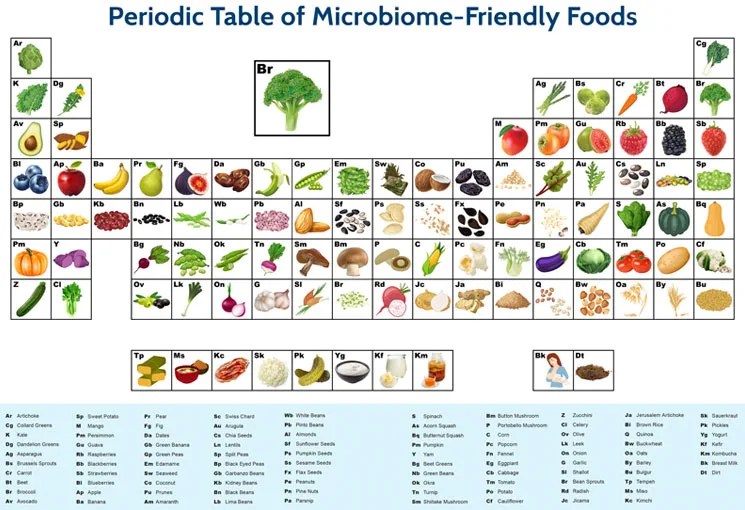
So how to address this mess? I always support whatever dietary strategy a person has motivation to follow because there’s no one right way and a person’s DNA can influence the effectiveness of a plan, but I always focus on ensuring they don’t miss out on vitamin, minerals, and phytochemicals (found in plant foods). If certain food groups are omitted that provide these nutrients, a multivitamin or specific vitamins may be needed although a vitamin still doesn’t replace the healing properties of a whole food. They may still eat lower carb, but can lower the fat to allow a portion of plant-based whole carb foods like legumes, steel-cut oats, quinoa, farro, and a wider variety of whole fruits and vegetables. Almost immediately my patients feel better, and with close attention to important factors like getting regular enjoyable exercise and quality sleep, they do not regain weight. Bloodwork such as cholesterol and blood sugars also improve. Most importantly, it becomes a plan they can follow in the longer-term.
There are endless variables when deciding on an eating plan and often you will not find a cut-and-dry answer for yourself when reading a general article or listening to a podcast. If you have access, it’s worthwhile to seek out a registered dietitian who specializes in your area of nutrition interest and can create a personalized plan based on your health history and risk factors, medications, food preferences, lifestyle, and budget.
 Nutrition Prescriptions